5 Key Lessons from JTeles's Record-Breaking Rust Cloth Farm
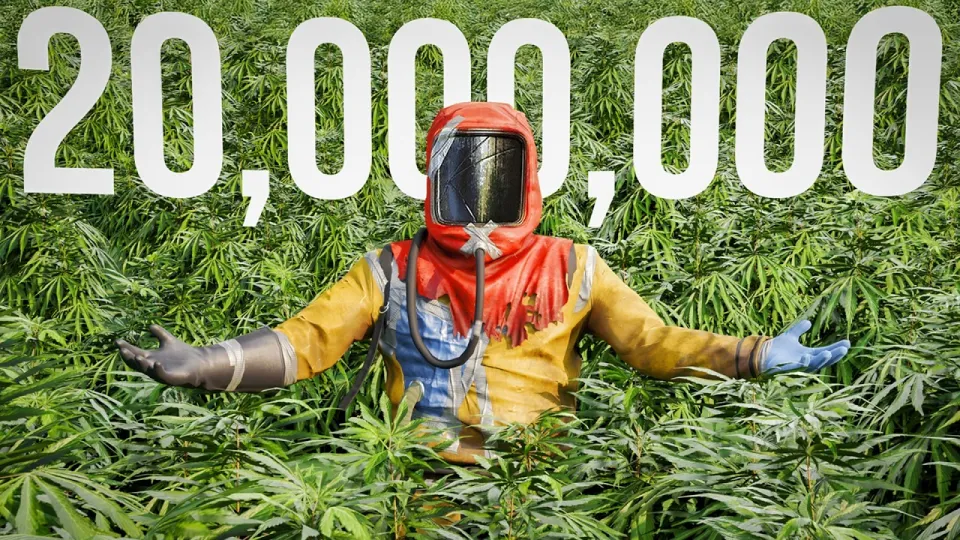
Video: I Became Rust's #1 Farmer...
Want articles like this for your own video to promote it on YouTube and Google? Order them through the Telegram bot @sat_sit_bot. The bot writes and publishes the articles itself (with your YouTube video embedded) on popular topical websites (no ads). Try it free: 50 articles on us.
· based on the channel JTeles
JTeles turned a simple resource into a server-wide conflict by farming 20 million cloth in a single Rust wipe. Starting with just 126,000 cloth, he and a crew of viewers built the biggest cloth farm the game has seen, drawing the attention of a powerful clan that tried to stop them. The result is a case study in large-scale farming, base defense, and diplomacy. If you want to support the creator, you can get a free War Thunder bonus through his partner link.
What made the 20 million cloth goal so ambitious in Rust
Cloth is usually a secondary resource, used for clothing, meds, and low-tier gear. Farming 20 million in one wipe requires industrial-scale production: hundreds of hemp plants, automated irrigation, and a base designed for mass processing. JTeles had to scale from a modest 126k starting stock to a target 158 times larger, all within seven days. That means constant planting, harvesting, and crafting, plus defending the operation from players who see a giant farm as a loot piñata.
How JTeles built Rust's biggest cloth farm
The farm was a community effort. JTeles invited viewers onto the server to help plant, harvest, and defend. They constructed a massive compound with large planting fields, water systems, and storage. The scale was so large that looking at the base caused server lag, as one viewer noted. Key steps included:
- Securing a large, flat area for planting beds.
- Setting up irrigation and lighting for continuous growth.
- Organizing harvesting shifts to keep the farm running 24/7.
- Building defensive structures and keeping gear ready for raids.
- Coordinating with allies to protect the farm during offline hours.
The operation required meticulous planning and teamwork, turning a peaceful farming activity into a military campaign.
The clan war that nearly ended the farm
A massive Russian clan discovered the farm's purpose and launched a campaign to stop it. They raided, attacked farmers, and tried to disrupt production. JTeles's team had to fight back, leading to intense PvP, base defenses, and alliances. The conflict added a layer of survival to the farming challenge, forcing the crew to balance resource gathering with combat readiness. Defending the farm while offline became crucial, and clan members pulled long shifts to keep the base secure.
Typical viewer questions about massive Rust farms
Viewers often ask how such a farm is possible without burning out. The answer is delegation: JTeles relied on trusted clanmates and viewers to cover different time zones. Another common question is about server lag; large farms with many entities can strain performance, so spreading plants across multiple bases or using fewer, larger planters can help. Finally, many wonder about the risk of raids; the best defense is a combination of strong walls, online presence, and alliances.
Essential links from the video
- War Thunder free bonus (PC/Console)
- War Thunder mobile
- JTeles Discord
- JTeles on Twitter/X
- JTeles on TikTok
What a 20 million cloth farm teaches about Rust
Scaling any resource to extreme levels in Rust is as much about social engineering as it is about game mechanics. JTeles's project shows that with a dedicated team, clear goals, and constant defense, even a humble resource like cloth can become a server-wide obsession. The attempt also highlights the risks of drawing attention: a giant farm becomes a target, and success depends on how well you can protect it. For aspiring farmers, the takeaway is to plan for defense from day one and to build a community that can hold the line. JTeles's video is a testament to what coordinated effort can achieve in Rust. If you're inspired to try your own challenge, consider using the War Thunder partner link to support the channel.
Conclusion
JTeles's journey to 20 million cloth is a masterclass in Rust farming and clan warfare. It proves that ambitious goals require teamwork, strategy, and resilience. The video captures the chaos and triumph of turning a simple resource into a server-wide event. For more extreme Rust challenges, subscribe to JTeles on YouTube.
Key takeaways
- JTeles started with 126,000 cloth and aimed for 20,000,000 in one wipe.
- A massive Russian clan tried to stop the farm, leading to raids and PvP.
- The farm was built with viewer help and became the biggest cloth farm in Rust.
- The attempt lasted 7 days and required constant defense, even offline.
- JTeles documented the challenge on his YouTube channel.
Questions & answers
How long did it take JTeles to farm 20 million cloth?
The goal was set for a single wipe, which lasts 7 days. JTeles and his team farmed continuously, with clanmates covering shifts to keep production running around the clock.
What was the biggest challenge during the cloth farm?
A massive Russian clan tried to stop the farm by raiding and attacking. Defending the base while offline and managing PvP alongside farming was the toughest part.
Can a solo player replicate this farm?
It's extremely difficult. JTeles relied on viewers and clanmates to help plant, harvest, and defend. Solo players would need to scale down or risk burnout and raids.
Did the farm cause server lag?
Yes, the sheer size of the base and number of plants caused lag when players looked at the compound. Spreading plants across multiple locations can mitigate this.
Source: I Became Rust's #1 Farmer... · Markdown version